

Sant Enfòmasyon sou Konsèvasyon Dlo

Vil Miami Beach la ap opere epi li kenbe enfrastrikti distribisyon dlo potab la nan limit jirisdiksyon li yo, tankou achte dlo an gwo nan men Depatman Dlo ak Egou Miami-Dade (WASD). Sistèm distribisyon an fèt pou bay yon sèvis serye pou yon baz kliyan divès tout pandan l ap satisfè egzijans kalite, presyon ak fyabilite dlo ki aplikab yo.
Òdonans 06-177 – enkòpore nan Seksyon 32-83.1 Kòd Konte Miami-Dade la egzije yon plan konsèvasyon dlo nan men kliyan an gwo.
Paj wèb sa a kouvri òdonans, rekòmandasyon ak pwosedi ke Miami Beach genyen an plas pou ankouraje konsèvasyon dlo.

Kòd Konstriksyon
Vil Miami Beach aplike estanda efikasite dlo pou diminye konsomasyon dlo potab andedan kay la nan nouvo konstriksyon ak gwo renovasyon atravè aplikasyon Kòd Konstriksyon Florid (Plonbri), jan Eta Florid te adopte l epi administre lokalman atravè pwosesis pèmi konstriksyon ak enspeksyon Vil Miami Beach la.
Kòd Konstriksyon Florid la etabli debi maksimòm ak limit konsomasyon dlo pou ekipman plonbri, tankou twalèt, wobinè ak tèt douch, jan sa espesifye nan Chapit 4 epi Seksyon 604.4 - Debi Maksimòm ak Konsomasyon DloAplikasyon egzijans sa yo sipòte atravè pwosesis pèmi ak enspeksyon konstriksyon ak plonbri Konte Miami-Dade la, ki gouvène travay plonbri reglemante nan Vil Miami Beach, tankou enstalasyon ak ranplasman ekipman plonbri.
Aparèy pou konsève dlo
Li rekòmande pou aparèy ki ekonomize dlo yo — tankou wobinèt, douch, twalèt, elatriye — gen etikèt epi sètifikasyon WaterSense. Pwodwi ki gen etikèt WaterSense yo sipòte pa sètifikasyon endepandan, yon twazyèm pati epi yo satisfè espesifikasyon EPA yo pou efikasite ak pèfòmans. Lyen ki anba a pral bay plis enfòmasyon ki gen ladan yon seleksyon pwodwi rezidan ak biznis yo ka itilize pou amelyore konsèvasyon dlo yo.
Deteksyon flit
Fwit dlo yo se yon faktè komen ki kontribye nan pèt ak itilizasyon dlo. Vil Miami Beach te modènize kontè dlo yo ak Enfrastrikti Kontaj Avanse (AMI) ki pèmèt kliyan yo swiv itilizasyon dlo an tan reyèl. Sa pèmèt kliyan yo ak distribitè a detekte nenpòt flit posib ki baze sou itilizasyon dlo. Konte Miami-Dade genyen tou yon paj wèb pou ede idantifye diferan kalite flit yo, kijan pou anpeche yo ak repare yo. Aprann plis bagay sou pwoteje kay ou oswa biznis ou kont flit dlo nan lyen ki anba a.
Enfòmasyon Siplemantè
Pou plis enfòmasyon sou sa ou ka fè pou sipòte konsèvasyon dlo, tanpri vizite paj wèb MBRisingAbove ki anba a.
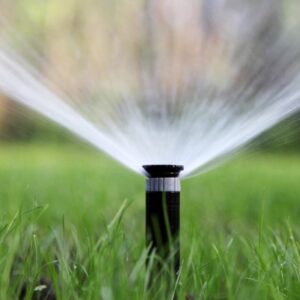
Vil Miami Beach aplike restriksyon irigasyon jaden pèmanan pandan tout ane a anba... Òdonans nimewo 2024-4622, ki te modifye Chapit 110 (Sèvis Piblik). Òdonans sa a aliyen ak mezi konsèvasyon irigasyon obligatwa Distri Jesyon Dlo Sid Florid la anba Chapit 40E-24, Kòd Administratif Florid la, epi li adopte restriksyon irigasyon Konte Miami-Dade yo pandan tout ane a.
Restriksyon sa yo enkli:
-
Pa gen dwa irigasyon chak jou soti 10è maten rive 4è aprèmidi.
-
Jou awozaj altène selon adrès ki gen nimewo pè/enpè.
Vyolasyon règ sa yo ka lakòz amann. Mezi sa yo ede diminye itilizasyon dlo deyò ki pa nesesè epi ankouraje pratik irigasyon efikas pandan tout ane a.
Anplis de sa, Lwa sou Peyizaj Miami Beach la (Chapit 126) fikse estanda minimòm pou konsepsyon peyzaj epi ankouraje itilizasyon plant ki reziste sechrès ak sèl. Li mete aksan sou prensip konsepsyon ki minimize demann irigasyon epi ki sipòte itilizasyon dlo dirab.
Aprann plis nan lyen ki anba a.

Dlo ize Epi frè egou yo enkli nan bòdwo dlo ou a, paske pri pou kolekte ak trete tout dlo ize yo enkli nan pri dlo potab la. Aprann plis bagay sou tarif an gwo egou ak dlo Miami Beach yo:


Plan Direktè Sistèm Dlo Miami Beach la gide pwojè amelyorasyon enfrastrikti ak kapital ki an kou pou amelyore sistèm transmisyon, ponpaj ak distribisyon dlo a pou minimize pèt dlo. Amelyorasyon enfrastrikti dlo yo pwograme selon laj sistèm nan, bezwen kapasite yo (koule dife) ak priyorite operasyonèl yo.
Efò sa yo aplike atravè pwojè amelyorasyon katye yo, amelyorasyon enfrastrikti ki baze sou koridò, ak inisyativ reyabilitasyon sistèm siblé ki fèt anndan konpayi an oswa pa kontraktè. Pwojè sa yo sipòte ranplasman ak reyabilitasyon prensipal transmisyon ak distribisyon, amelyorasyon kapasite koule dife, amelyorasyon pèfòmans estasyon ranfòsman, epi minimize vilnerabilite sistèm ki ka kontribye nan pèt dlo.
Travay Piblik yo itilize yon teknoloji sondaj akoustik pou detekte flit dlo detanzantan pou idantifye kote yo sispèk flit nan tout sistèm transmisyon ak distribisyon an. De dènye pwojè deteksyon flit dlo yo te fèt an 2019 ak 2024. Nan tou de pwojè yo, yo te enspekte apeprè 80.97 mil tiyo distribisyon dlo potab. Ekip Konstriksyon Travay Piblik yo te repare tout anomali flit yo idantifye yo (ki gen ladan flit ki gen rapò ak tiyo dlo ak idran) anndan konpayi an nan yon tan rezonab; yo estime ke reparasyon yo te anpeche pèt 1.8 milyon galon dlo pa ane.

Vil Miami Beach se grosist Depatman Dlo ak Egou Miami-Dade (WASD). Vil la posede, opere, epi kenbe enfrastrikti distribisyon dlo potab la nan limit jirisdiksyon li yo, ki gen ladan achte dlo an gwo nan men WASD. Sistèm distribisyon an fèt pou bay yon sèvis serye a yon baz kliyan divès tout pandan l ap satisfè egzijans kalite dlo, presyon ak fyabilite ki aplikab yo.
Òdonans 06-177 – enkòpore nan Seksyon 32-83.1 Kòd Konte Miami-Dade la egzije yon plan konsèvasyon dlo nan men kliyan an gwo yo.
Nan paj wèb sa a, kliyan yo ap jwenn òdonans, rekòmandasyon, ak pwosedi ke Miami Beach genyen an plas pou ankouraje konsèvasyon dlo nan mitan kliyan yo.
Kòd Konstriksyon
Vil Miami Beach aplike estanda efikasite dlo pou diminye konsomasyon dlo potab andedan kay la nan nouvo konstriksyon ak gwo renovasyon atravè aplikasyon Kòd Konstriksyon Florid (Plonbri), jan Eta Florid te adopte l epi administre lokalman atravè pwosesis pèmi konstriksyon ak enspeksyon Vil la.
Kòd Konstriksyon Florid la etabli debi maksimòm ak limit konsomasyon dlo pou ekipman plonbri yo, tankou twalèt, wobinè ak tèt douch, jan sa espesifye nan Chapit 4 epi Seksyon 604.4 - Debi Maksimòm ak Konsomasyon DloAplikasyon egzijans sa yo sipòte atravè pwosesis pèmi ak enspeksyon konstriksyon ak plonbri Konte Miami-Dade la, ki gouvène travay plonbri reglemante nan Vil Miami Beach, tankou enstalasyon ak ranplasman ekipman plonbri.
Aparèy pou konsève dlo
Li rekòmande pou aparèy ki ekonomize dlo (tankou wobinèt, tèt douch, twalèt, elatriye) gen etikèt epi sètifikasyon WaterSense. Pwodwi ki gen etikèt WaterSense yo sipòte pa sètifikasyon endepandan, yon twazyèm pati epi yo satisfè espesifikasyon EPA yo pou efikasite ak pèfòmans. Lyen ki anba a pral bay plis enfòmasyon ak seleksyon pwodwi rezidan yo ka itilize pou amelyore konsèvasyon dlo yo.
Deteksyon flit
Fwit dlo yo se yon faktè komen ki kontribye nan pèt ak itilizasyon dlo. Vil Miami Beach te modènize kontè dlo yo ak Enfrastrikti Kontaj Avanse (AMI) ki pèmèt kliyan yo swiv itilizasyon dlo an tan reyèl. Sa pèmèt kliyan yo ak distribitè a detekte nenpòt flit posib ki baze sou itilizasyon dlo. Konte Miami-Dade genyen tou yon paj wèb pou ede idantifye diferan kalite flit yo, kijan pou anpeche yo ak repare yo. Aprann plis bagay sou pwoteksyon kont flit dlo anba a.
Enfòmasyon Siplemantè
Pou plis enfòmasyon sou sa kliyan yo ka fè pou sipòte konsèvasyon dlo, tanpri vizite paj wèb MB Rising Above la.
Vil Miami Beach la adopte epi aplike restriksyon irigasyon jaden pandan tout ane a atravè Òdonans nimewo 2024-4622, ki te modifye Chapit 110 (Sèvis Piblik). Òdonans sa a adopte epi aplike mezi konsèvasyon irigasyon obligatwa Distri Jesyon Dlo Sid Florid la anba Chapit 40E-24, Kòd Administratif Florid la, ak lokalman, adopte restriksyon irigasyon Konte Miami-Dade yo pandan tout ane a.
Restriksyon sa yo gen ladan yo yon lè "pa gen irigasyon" chak jou soti 10 am pou rive 4 pm epi jou altènatif pou adrès ki gen nimewo pè/enpè pou fè irigasyon jaden ki nesesè yo. Yo bay amann pou pwopriyete ki vyole òdonans jaden yo. Restriksyon irigasyon sa yo gen entansyon pou diminye itilizasyon dlo deyò ki pa nesesè epi sipòte pratik irigasyon efikas pandan tout ane a.
Miami Beach te adopte tou yon Òdonans sou Peyizaj (Chapit 126 nan Kòd Vil la) ki etabli estanda minimòm pou konsepsyon peyzaj epi ki ankouraje itilizasyon espès plant apwopriye ki sipòte itilizasyon dlo efikas. Egzijans peyzaj yo mete aksan sou seleksyon vejetasyon ki reziste sechrès ak sèl epi aplikasyon prensip konsepsyon peyzaj ki diminye demann irigasyon. Vizite lyen ki anba a pou aprann plis.
Vil Miami Beach sèvi ak estrikti tarif dlo potab li kòm yon zouti pou ankouraje itilizasyon dlo efikas tout pandan l ap kenbe estabilite finansyè epi rekipere depans ki asosye ak rezèv dlo, tretman, distribisyon ak antretyen sistèm. Antanke yon kliyan an gwo MDWASD, estrikti tarif Miami Beach la fèt pou balanse objektif konsèvasyon yo ak egzijans operasyonèl ak fiskal yo.
Kounye a, Miami Beach aplike yon estrikti tarif ki ogmante pa nivo pou sèvis dlo potab, kote pri inite dlo a ogmante pandan kliyan yo ap itilize plis dlo. Konsepsyon tarif sa a bay yon ankourajman ekonomik pou kliyan yo jere itilizasyon dlo a avèk efikasite lè yo aplike pri inite ki pi wo pou nivo konsomasyon ki pi wo, tout pandan y ap kenbe yon pri abòdab pou itilizasyon dlo esansyèl nan nivo konsomasyon ki pi ba. Aprann plis atravè lyen ki anba a.
Dlo ize ak dlo egou yo fè pati tou nan pri dlo a, pri pou kolekte ak trete tout dlo ize yo enkli nan pri a lè w ap itilize dlo potab. Aprann plis bagay sou tarif an gwo egou ak dlo Miami Beach yo:
Vil Miami Beach te fini Enfrastrikti Kontè Avanse a (AMI) nan otòn 2023. Kontè AMI yo bay enfòmasyon an tan reyèl sou itilizasyon dlo epi yo ede amelyore vizibilite sou demann dlo nan tout sistèm nan. Sistèm nan pèmèt kliyan yo ak Depatman Travay Piblik Miami Beach la jwenn aksè a enfòmasyon ki pi ajou ak detaye sou itilizasyon dlo sou entènèt, pou ede kliyan yo vin pi konsyan de konsomasyon dlo endividyèl yo.
Disponibilite done detaye sou itilizasyon dlo an tan reyèl la sipòte idantifikasyon flit potansyèl yo epi li kontribye nan amelyore siveyans operasyonèl sistèm distribisyon dlo potab la. AMI a sipòte efò edikasyon piblik Miami Beach sou konsèvasyon dlo a lè li bay kliyan yo aksè dirèk a enfòmasyon sou itilizasyon dlo yo atravè aplikasyon EyeOnWater la. Miami Beach te kominike enfòmasyon konsènan pwojè enstalasyon kontè AMI a bay rezidan yo atravè kominikasyon imel ke Vil la jere, tankou yon mizajou pwojè ki te distribye an mas 2023 ki dekri aktivite enstalasyon kontè nan tout vil la. Li plis bagay sou kontè dlo AMI yo:
Anplis kontè dlo AMI yo, Miami Beach itilize pwogram EyeOnWater la tou. Pwogram sa a pèmèt rezidan yo kreye yon kont epi swiv itilizasyon dlo yo an tan reyèl, pou wè ki lè ak kijan yo itilize dlo yo ak konbyen. Li idantifye tou iregilarite nan itilizasyon dlo ki ta ka endike yon flit sou yon pwopriyete epi li ede rezidan yo idantifye flit la si genyen. Kliyan yo ka aprann plis epi kreye yon kont lè l sèvi avèk lyen ki anba a.


