Summary
November marks the birthday of architect Morris Lapidus, whose visionary designs helped define Miami Beach’s mid-century style. From the Fontainebleau to the Eden Roc, Lapidus transformed Collins Avenue into a showcase of glamour, innovation, and modern optimism. This month in Miami Beach history, we celebrate the man who turned architecture into an experience and forever shaped the city’s iconic skyline.
This Month in Miami Beach History: Celebrating Morris Lapidus, the Architect Who Defined a City
November marks the birthday of Morris Lapidus, the architect who helped shape Miami Beach into the glamorous destination the world knows today. Born on November 25, 1902, in Odessa, Ukraine, Lapidus brought an imaginative spirit that blended drama, design, and delight into every space he touched.
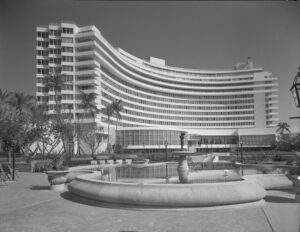
His boldest ideas came to life along Collins Avenue, where his work transformed the city’s skyline in the postwar era. The Fontainebleau Hotel opened in 1954, introducing sweeping curves and grand staircases that broke from architectural convention.
Just a year later, he designed the Eden Roc, whose elegant Y-shaped plan, cantilevered balconies, and turquoise mosaic towers created a refined counterpoint to the Fontainebleau’s theatricality .
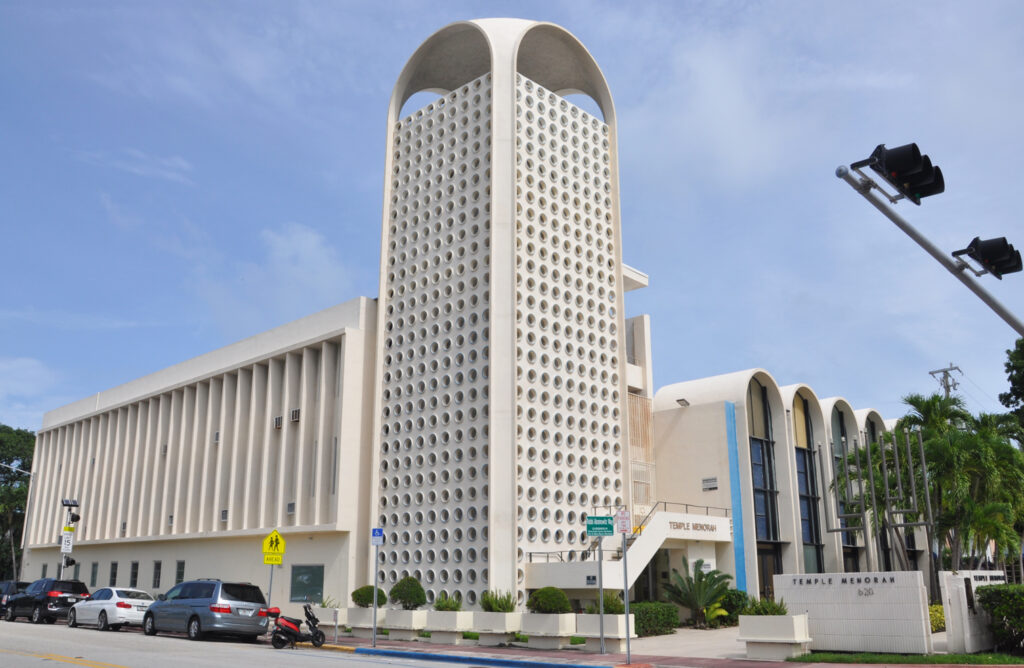
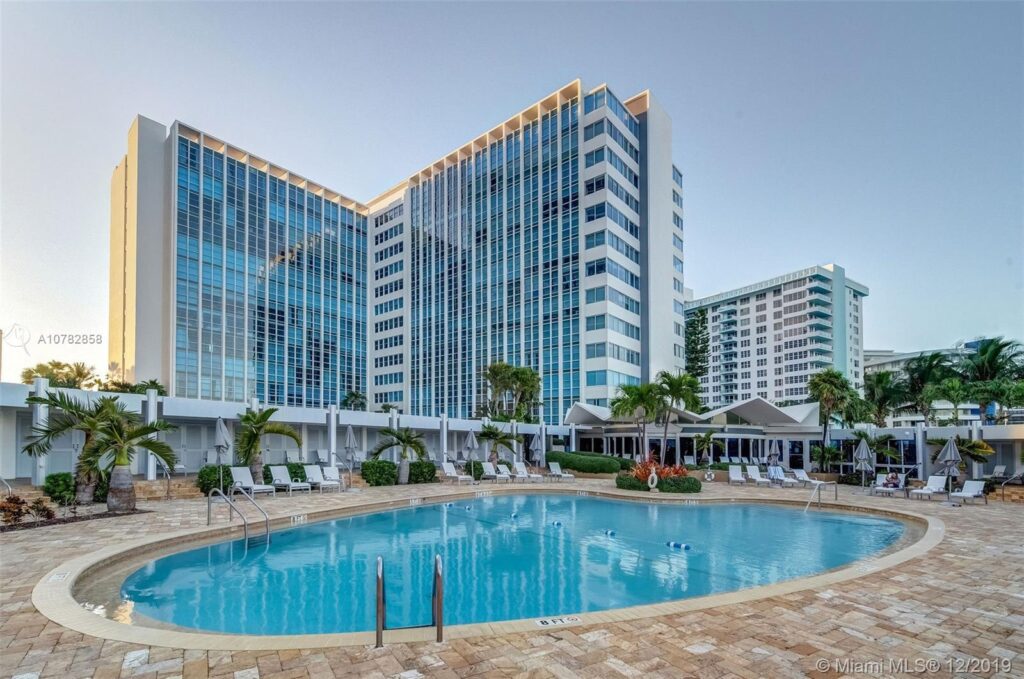
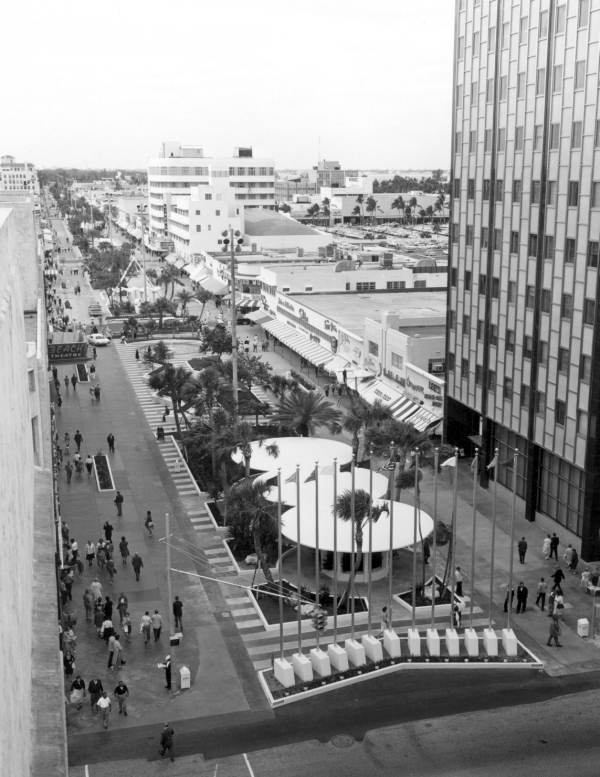
Lapidus went on to design other landmarks that shaped Miami Beach’s mid-century identity, including the Crystal House (1960), Seacoast Towers (1964 - 1966), Temple Menorah (1962) and the pedestrianization of the iconic Lincoln Road, (1960s) among others. Together, these buildings reflect the optimism and creativity that defined the era and helped give rise to the Miami Modern (MiMo) movement.
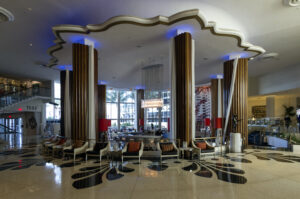
The Fontainebleau and Eden Roc became symbols of post-war prosperity, attracting Hollywood stars, global travelers, and generations of locals who came to experience the new standard of luxury. Their success also inspired a wave of resort and residential development that redefined the look and feel of Miami Beach for decades to come.
Lapidus once said, “I designed for the people of my time,” and that vision continues to resonate across the city. His work captured the confidence and playfulness of mid-century America, turning Miami Beach into a living showcase of innovation and joy.
As we celebrate his birthday this November, we honor not only his architectural genius but also his enduring influence on the city’s identity. The Morris Lapidus / Mid-20th Century Historic District, designated by the City of Miami Beach in 2009, stands as a tribute to his legacy and to the creative energy that still defines our community